Published : 2026-06-01
Hangzhou temple tour: What new experiences should not be missed?
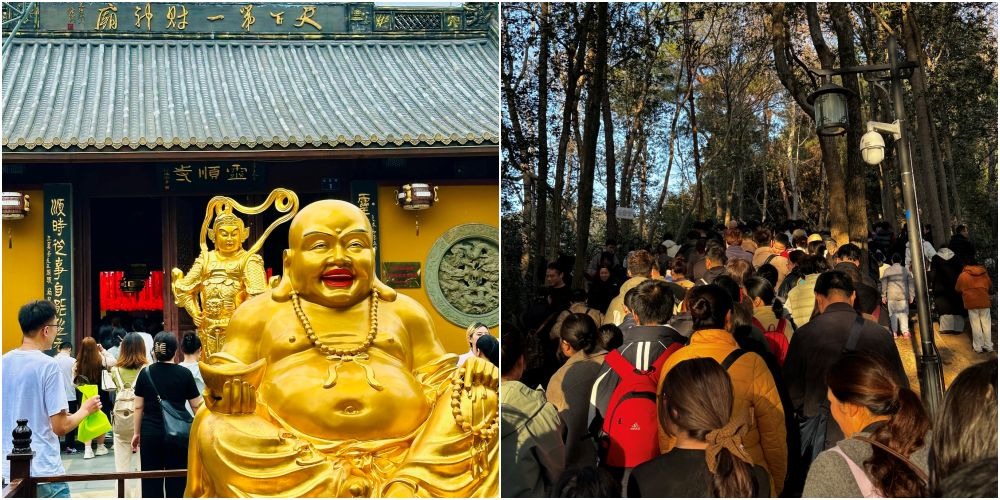
At three in the morning on the fifth day of the Lunar New Year this year, the footpaths on Hangzhou's North Peak were packed with people and brightly lit. Tens of thousands of worshippers moved slowly towards Lingshun Temple, covering just a few steps in ten minutes, all to offer an incense stick for wealth.
This "Number One Temple of the God of Wealth in the world" reportedly received nearly 50,000 visitors in a single day. Related topics trended on Weibo, accumulating nearly 100 million views. Hangzhou temple tours have once again won over the public.
If you think temple trips are just about praying to the gods, you are behind the times. Data from iiMedia Research shows that in 2025, the most popular activities in temple tourism will be listening to scriptures and meditation, accounting for 57.79% and 49.19% of participants, respectively.
Currently, in places like Zhejiang, many temples offer meditation experiences, providing short-term spiritual retreats.
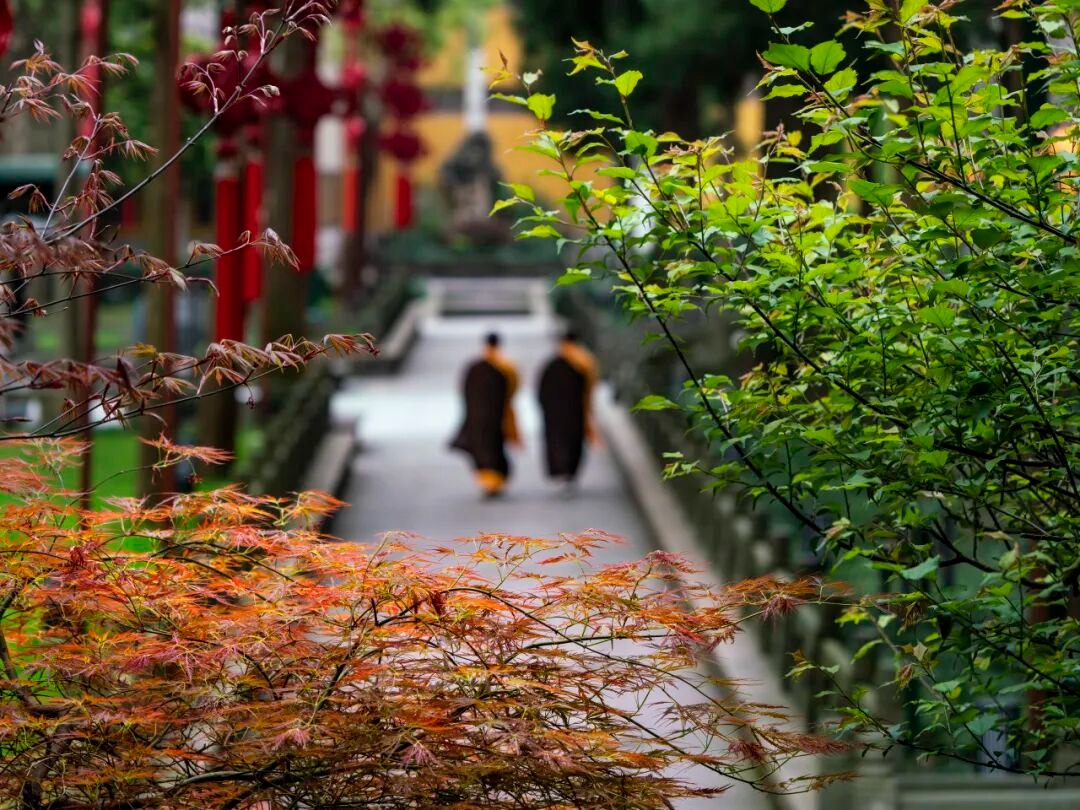
In 2024, Hangzhou's Lingyin Temple launched its "monastic life experience", which was quickly fully booked. Participants stay at the temple for five days, handing over their mobile phones for the entire duration.
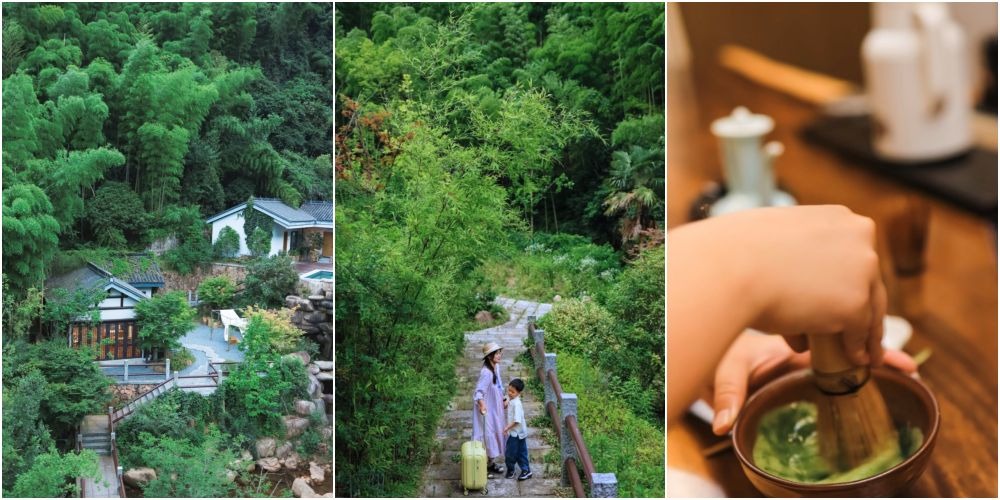
They practise burning incense, offering lamps, silent meditation, copying scriptures, eating guotang (formal temple meals), and attending morning and evening chants. There are also activities such as listening to dharma talks, walking in bamboo forests, and so on, attracting anxious young people to flock to the temple.
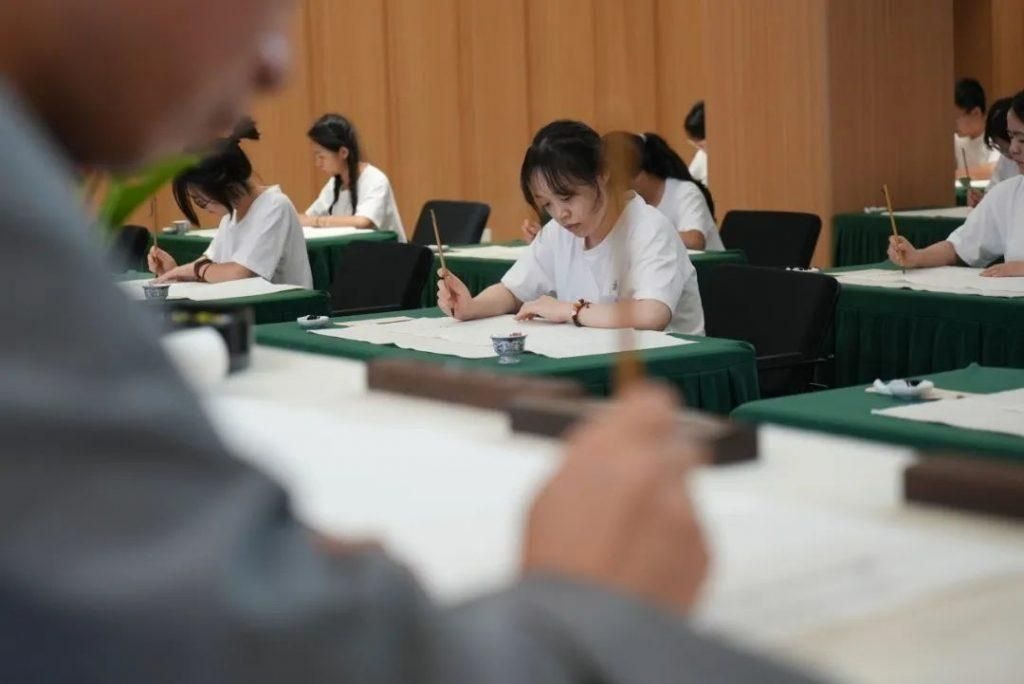
An IT worker who had participated in a similar meditation camp said that when he first started meditating, his feet went numb and his shoulders ached, and he could not sit still at all.
Then he gradually adapted, having a dialogue with his inner self, and by the end, he was reluctant to leave that pure tranquillity.
One-day Zen retreats, weekend meditation camps, and Zen yoga classes are the healing packages for young people. More and more companies are choosing temples for team-building.
How else do "Zen-attitude" youths visit temples? By admiring flowers in spring!
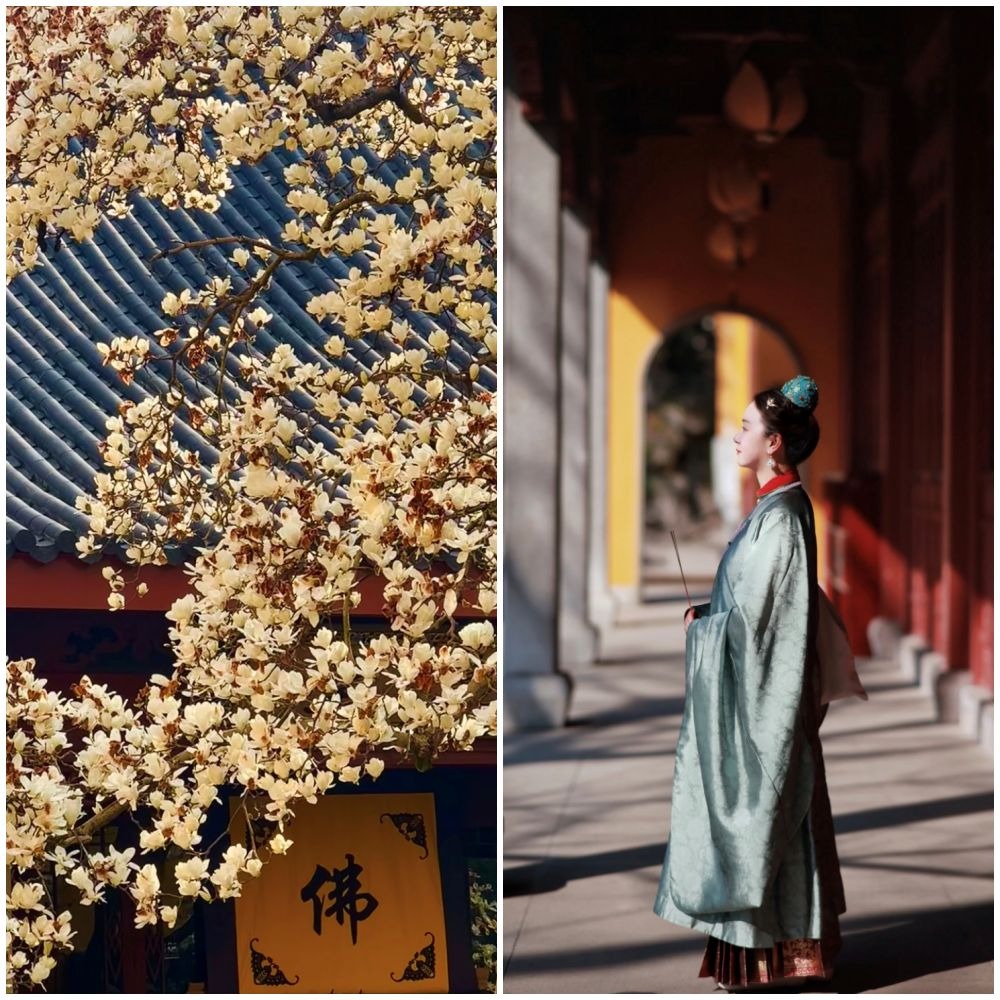
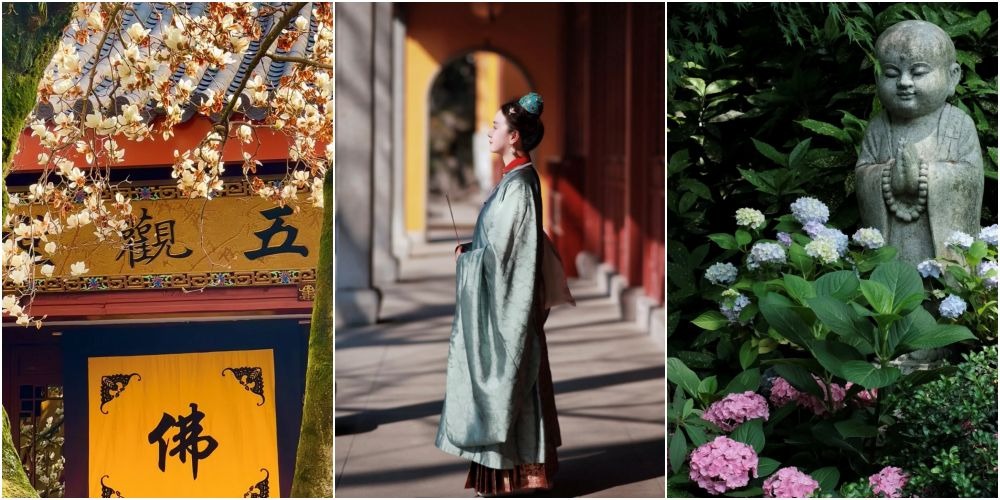
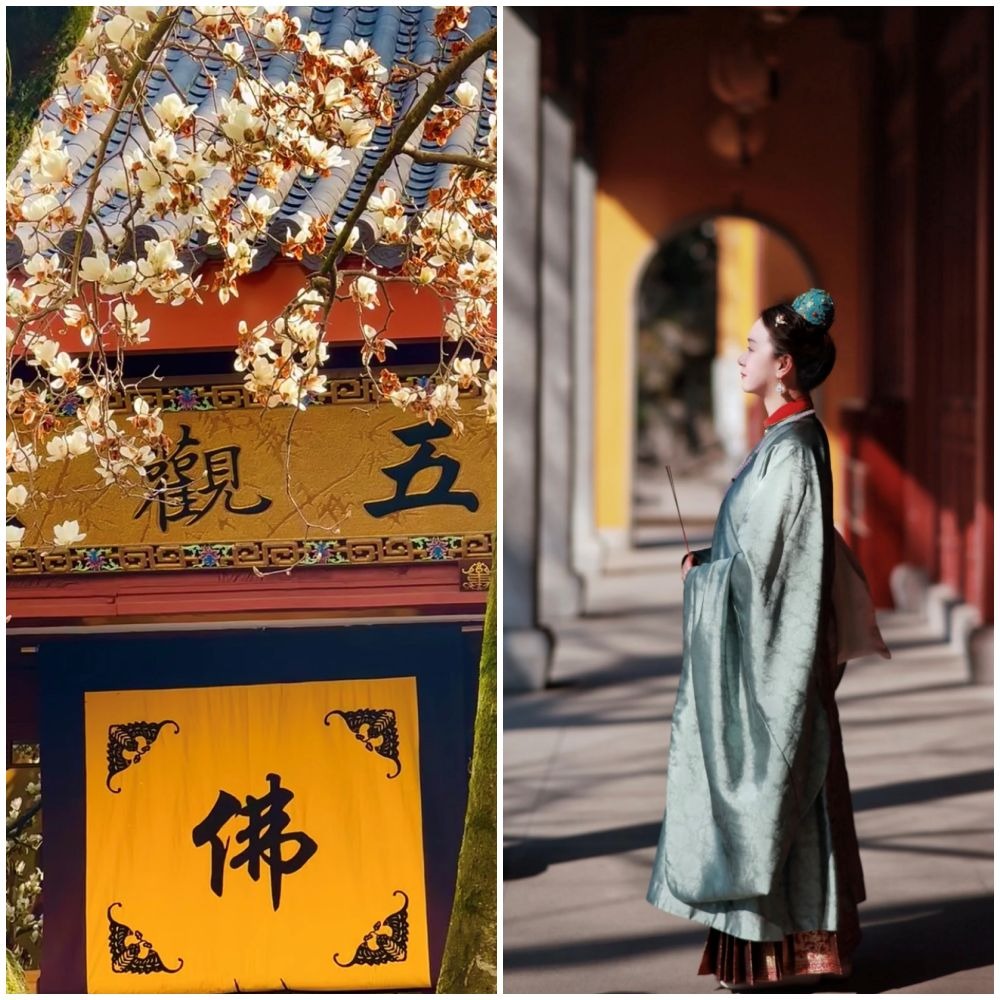
As soon as March arrives, the 500-year-old magnolia tree at Faxi Temple is in full bloom. It blooms for only about ten days each year, and if you miss it, you have to wait another year.
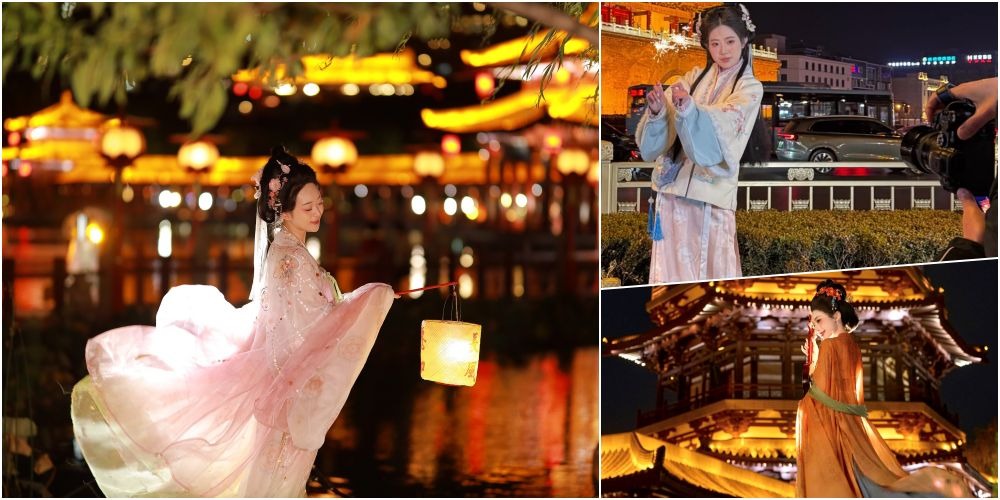
Young people who like China-chic on a spring outing first do a flash visit to Lingyin Temple, put on their newly bought "eighteen seeds" bracelets, change into beautiful Hanfu, and then head straight to Faxi Temple for travel photography, filling the experience with a sense of ceremony.
Eating and drinking in temples is also a trend. A bowl of vegetarian noodles and a cup of coffee leave one wanting more. National Intangible Cultural Heritage Jingshan Tea Banquet, it is hard to get a seat, and even the vegetarian meals require a booking.
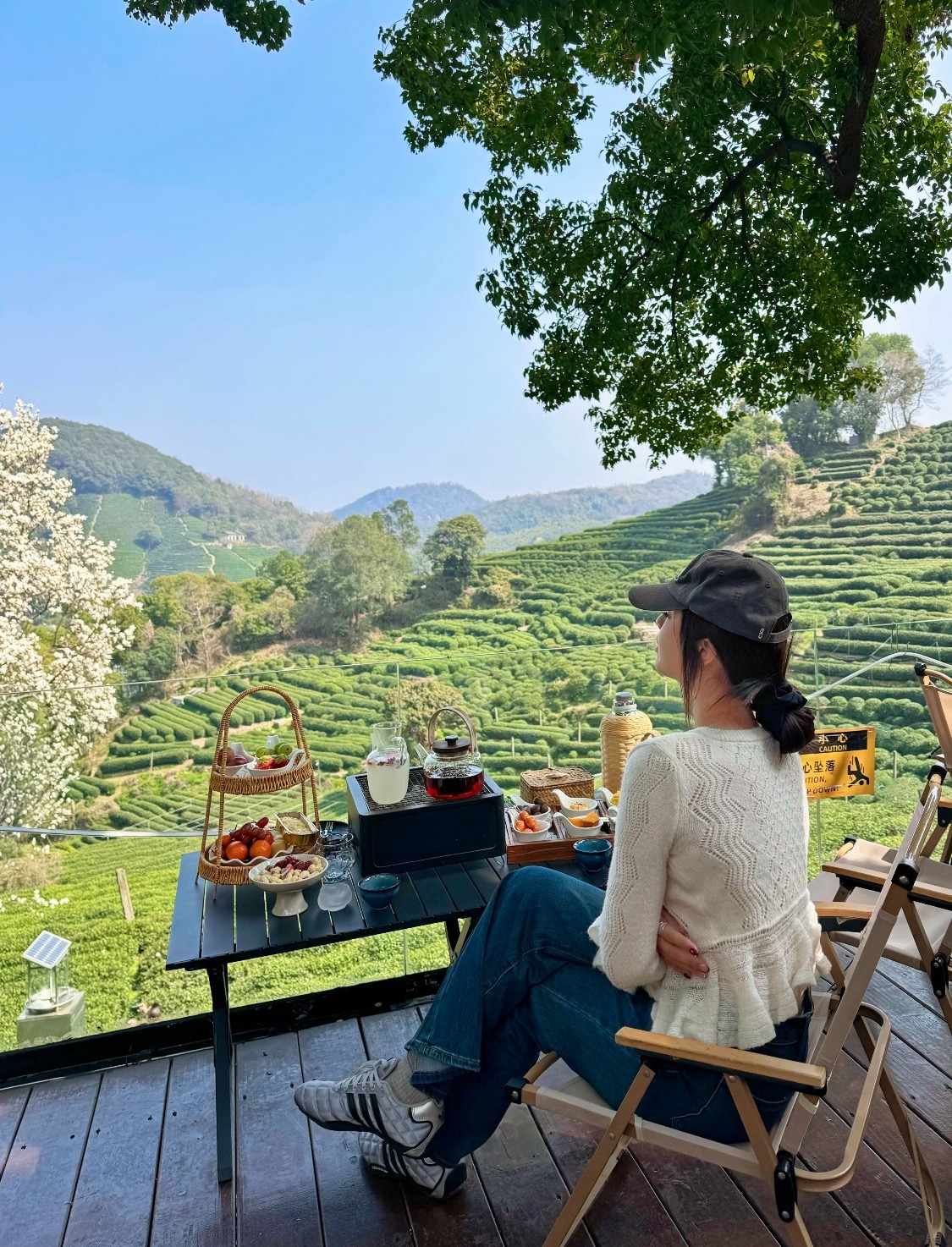
The surrounding agritainment farmhouses and teahouses have blossomed everywhere and are very popular.
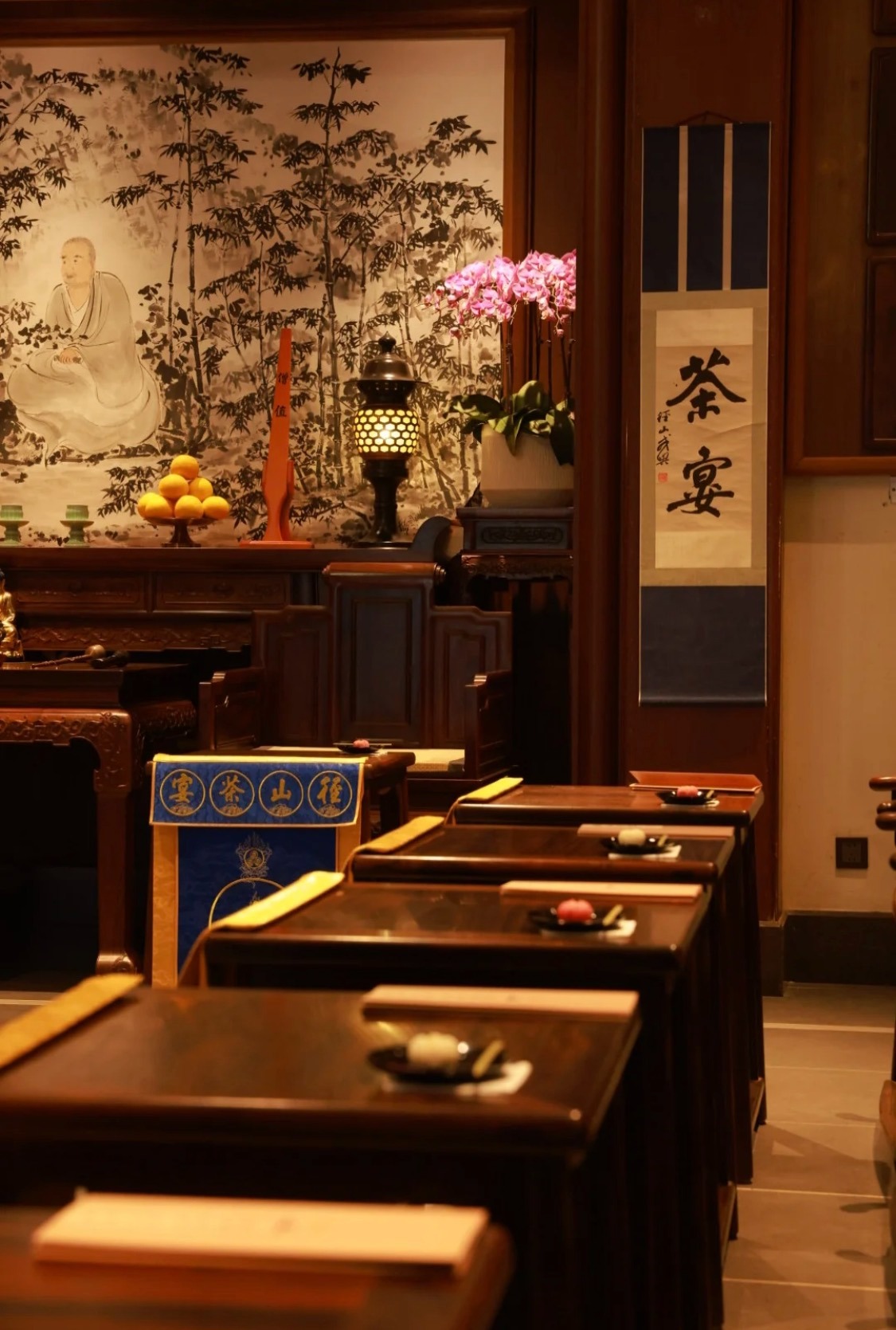
Zen-style homestays, Longjing tea plantations, Zen tea towns, and study tour bases—these attractions, which have become popular due to temple tourism, link the countryside, nature, and culture, transforming them into popular destinations.
Tourists have extended their visits from "half-day trips" to "two-day trips", staying an extra night, having an extra meal, and leaving fully satisfied.
At first, young people visited temples just wanting to temporarily escape from reality, calm down and relax their minds, and recharge themselves.
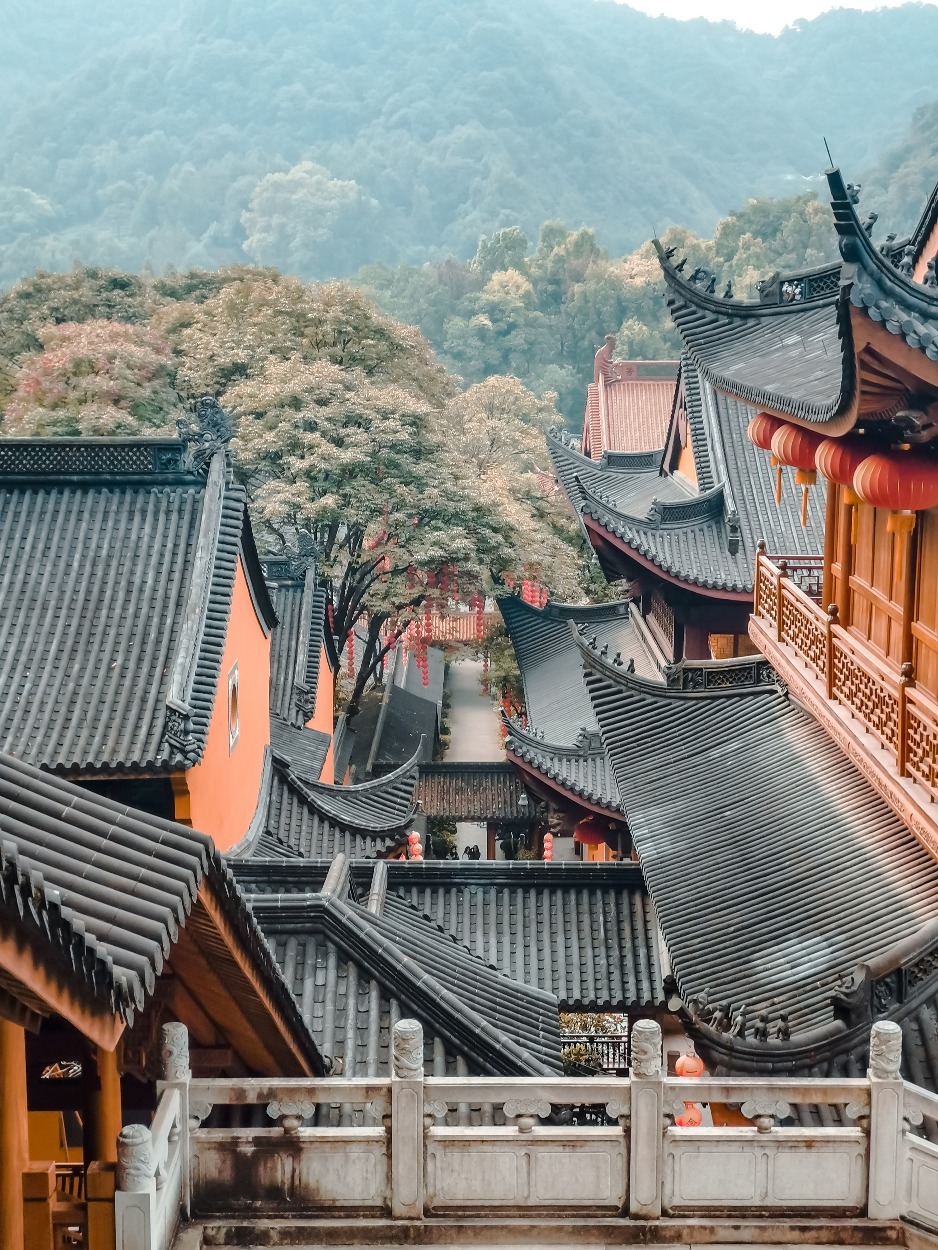
Nowadays, they pay more attention to in-depth experiences and are willing to slowly appreciate the historical heritage, architectural aesthetics, and traditional culture of the ancient temples.
According to 2025 data from iiMedia Research, 69.64% of consumers have been to a temple, of which, those aged 19 to 30 account for 47.57%. Together with the 31 to 40 age group, the overall proportion exceeds 90%. This shows just how popular temple tourism is among young people.
A millennium of Buddhist culture: foundation of Hangzhou's temple tours
What makes Hangzhou's temple tours such a special phenomenon? Behind this is the solid foundation of Zhejiang's millennium of Buddhist culture.
Over 1,800 years ago, during the late Eastern Han dynasty, Buddhism was transmitted to the East. After the "Yiguan Nandu" (migration of the elite to the south) during the Wei, Jin, Southern and Northern Dynasties, the academic centre shifted to the south.
Coupled with the promotion of Buddhism by rulers during the Sui, Tang, and Five Dynasties periods, temples sprang up like bamboo shoots after rain across the land of China, which was especially noticeable in the Jiangnan region.
The Southern and Northern Dynasties were a flourishing period for Buddhism in Jiangnan, just as the Tang dynasty poet Du Mu described in "Spring in Jiangnan": "In the Southern Dynasties, four hundred eighty temples stood,Their towers and terraces now lost in mist and rain."
Buddhism in Hangzhou began in the first year of the Xianhe era of the Eastern Jin dynasty (326 AD), when the West Indian monk Huili came to China on his travels. After entering Zhejiang, he built a hermitage in Hangzhou.
During this time, he successively built five bodhimaṇḍas for practice: Lingyin, Lingjiu, Lingfeng, Lingshun, and Lingshan. This marked the beginning of the 1,700-year history of Buddhism in Hangzhou.
During the Wuyue Kingdom period in the 8th century AD, there is a record stating, "In the custom of Hangzhou, under the Qian clan, Buddhist huts were built all over the populated areas", reflecting the flourishing of Buddhism.
The Wuyue Kingdom was known as the "Buddhist Kingdom of the Southeast", and its capital, Hangzhou, gradually became the symbol of this reputation that it holds today.
From the Wuyue Kingdom to the Southern Song Dynasty, Hangzhou was filled with Buddhist temples and its sects flourished, becoming the national Buddhist centre. The influence of Hangzhou's Buddhism extended to Zen studies, art, architecture, and folk customs, and even to cultural exchanges in East Asia.
Today, Zhejiang Province boasts 4,057 temples, the most in the country. Its profound Buddhist heritage has led to the popularity of temple tours in Hangzhou. The fondness of young people for temple tours is also a manifestation of cultural confidence.
What clever strategies does Hangzhou's culture and tourism sector use?
The natural landscapes of West Lake and its cultural history are integrated and coexist, giving Hangzhou exceptionally rich tourism resources.
Culture and tourism projects are constantly being updated, and in conjunction with temple tours, they are becoming increasingly popular. All of this, of course, is inseparable from policy support.
In 2023, to promote the high-quality development of the tourism industry, the Hangzhou Municipal Government introduced several innovative subsidy measures to encourage new business models and products that integrate culture and tourism.
For instance, to support the quality development of B&Bs and farmhouse-style inns, a maximum subsidy of 200,000 RMB (the same currency hereafter) is offered. For towns featuring intangible cultural heritage, cuisine, and tea culture experiences, a maximum subsidy of 500,000 RMB is provided.
For integrated products such as sports tourism, industrial tourism, educational tourism, and health tourism, a maximum subsidy of 1 million RMB can be obtained.
Additionally, Hangzhou has upgraded its free-admission policy for major scenic areas, transitioning from a ticket-based economy to a comprehensive consumption economy.
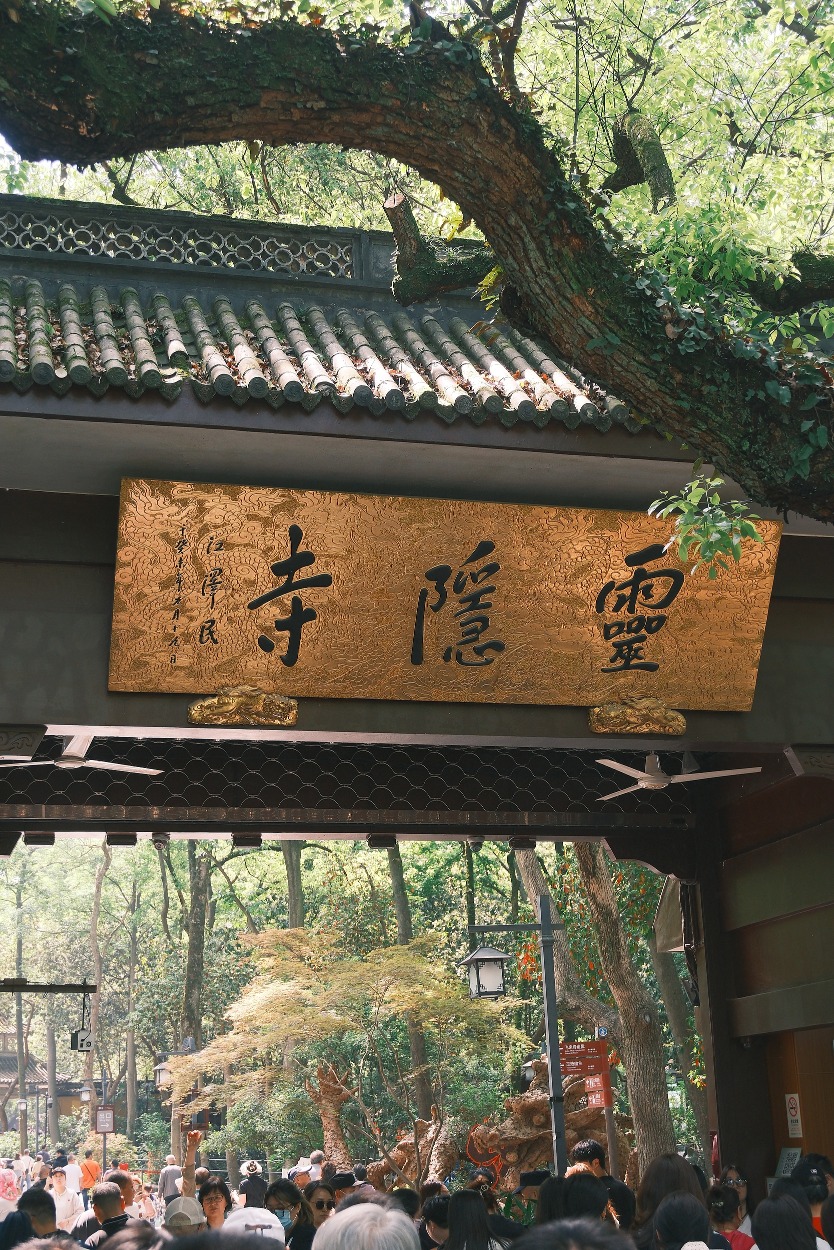
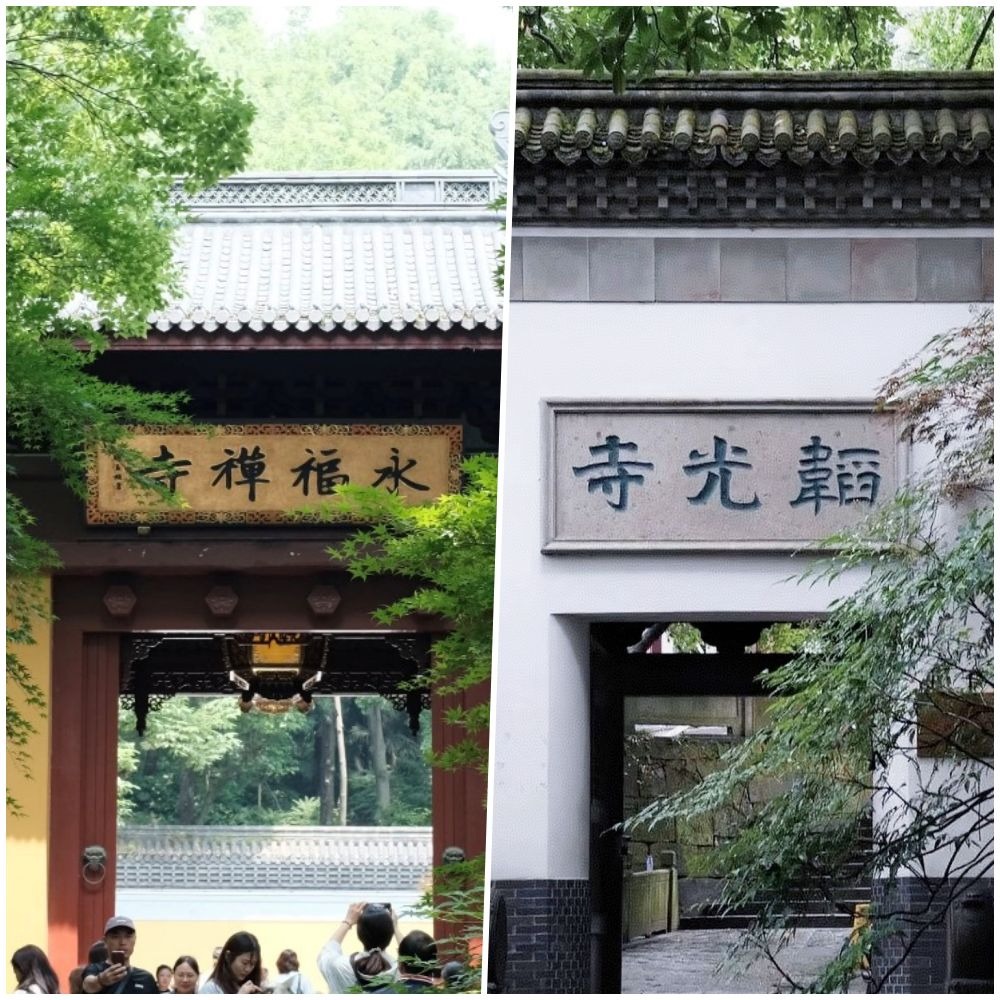
The Lingyin-Feilai Peak Scenic Area(referred to as the Lingyin Scenic Area) is one such example. From 1 December 2025, it will be officially open to the public free of charge, ending its history of charging for admission that began in 1979.
As a famous Buddhist site, the Lingyin Scenic Area, which includes Lingyin Temple, Yongfu Temple, Taoguang Temple, and others, has an annual visitor flow exceeding ten million people.
Previously, visitors had to pay a 45-yuan admission fee for the scenic area, and if they wished to offer incense at Lingyin Temple, they had to purchase an additional 30-yuan incense ticket. Now, this total fee of 75 yuan has been completely abolished.
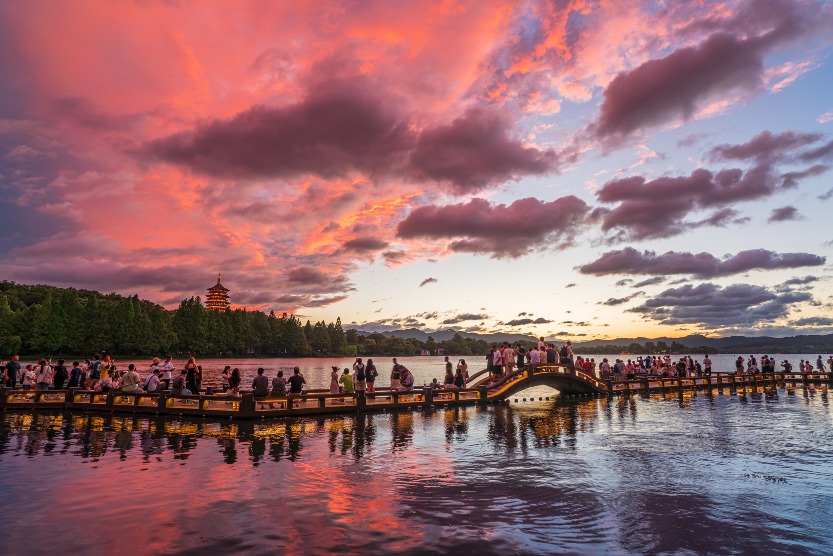
The free admission to attractions like Lingyin Temple both draws on the successful experience of West Lake's free admission in 2002 and is another important measure for Hangzhou to move beyond a ticket-based economy.
According to statistics, Hangzhou's total tourism revenue in 2024 reached 345.03 billion yuan, an increase of more than tenfold compared to 2002. Before the free-admission policy, the West Lake scenic area received about 20 million visitors annually.
After the policy was implemented, visitor numbers have continued to climb, with over 37 million visitors received in the whole of 2024. The number of inbound overnight tourists increased by 107.8% year-on-year, and the consumption chain of dining, B&Bs, and cultural and creative products around West Lake has become an important pillar of the city's economy.
Although abolishing entrance fees results in a loss of direct income, in the long run, it helps the culture and tourism industry transition towards a comprehensive consumption economy.
The city's overall attractiveness is enhanced, making it better at retaining visitors, which translates into diverse consumption in areas such as dining, accommodation, transport, shopping, and cultural experiences, driving a wider industrial chain.
After the Lingyin Scenic Area became free of charge, daily online reservations are capped: 35,000 visitors on weekdays, 50,000 on weekends, and 65,000 on public holidays.
As reported, reservations on the first day reached 31,500 people, an increase of about 70% compared to the era when admission was charged. With the surge in visitor traffic, challenges have followed.
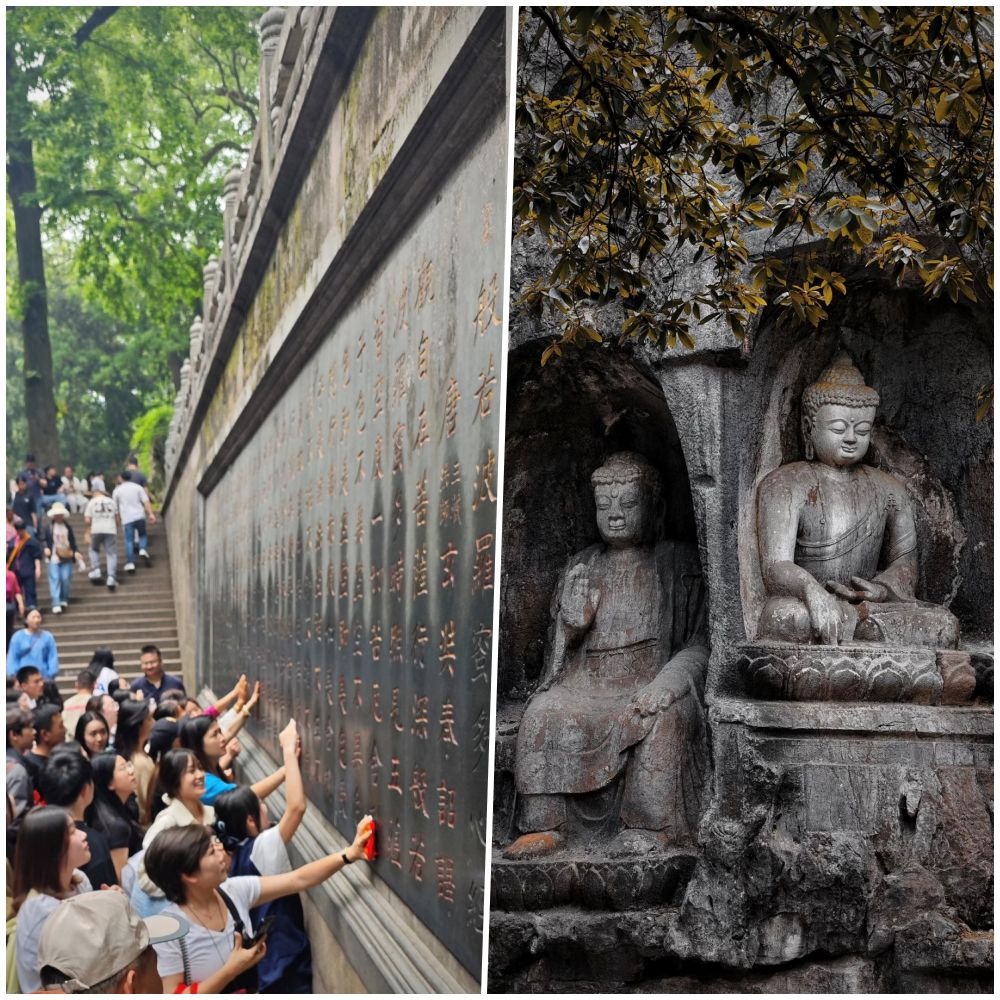
The problem of 'booking but not showing up' has become prominent, with a single-day high of 22,000 no-shows, accounting for one-third of that day's bookings.
Besides optimising the booking system, balancing transportation capacity, visitor comfort, and the need for cultural relic preservation are all management challenges after the scenic area waived its admission fee.
Temple tours have become popular, and more and more people are happy to visit temples to experience Buddhist culture.
This trend, evolving from simple check-ins to in-depth experiences, allows traditional culture to be passed down in the lives of young people. When incense meets worldly life, ancient culture truly comes alive in the new era.